

Choosing the right solar technology is the most important step in building an efficient energy system. Different panel types offer various levels of power output and long-term durability. Consequently, homeowners must evaluate their specific roof space and budget before making a final purchase. A high-quality residential on-grid solar kit setup depends on matching the panel chemistry to your local climate. This guide compares the three main photovoltaic technologies to help you maximize your clean energy investment. We help you navigate the technical details of efficiency, cost, and power degradation.
Monocrystalline: The High-Efficiency Standard
Monocrystalline panels feature cells sliced from a single, high-purity silicon crystal. Consequently, they achieve the highest energy conversion rates, typically between 18% and 22%. Furthermore, these panels demonstrate the best longevity with very low power degradation over time. Most premium units show less than 2% loss in the first year and under 0.5% annually thereafter. This makes them the perfect choice for residential on-grid solar kits where roof space is limited. Therefore, you generate more electricity from a smaller surface area compared to other technologies.
Efficiency Note: If your roof is small but your energy bill is high, monocrystalline is the logical solution. Consequently, you achieve a faster return on investment through superior power density.
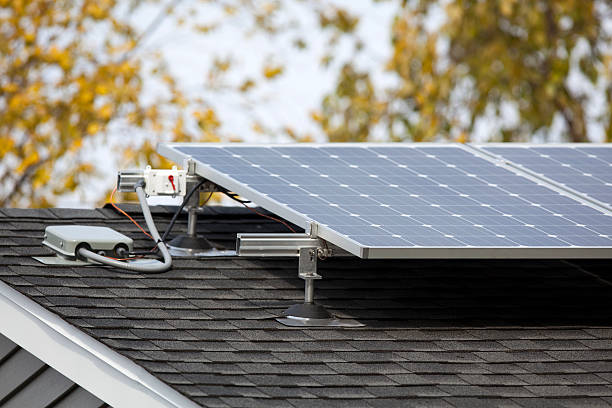
Polycrystalline and Thin-Film: Cost vs. Versatility
Polycrystalline panels consist of multiple silicon fragments melted together, resulting in a distinct blue speckled look. Consequently, the manufacturing process is simpler and significantly more affordable than monocrystalline production. While the efficiency is slightly lower (15-17%), they provide excellent “value per watt” for large installations. On the other hand, thin-film technology utilizes layers of photovoltaic material on flexible substrates. Furthermore, thin-film panels offer superior performance in weak light or high-heat environments. Therefore, they are often the preferred choice for regions with frequent cloud cover or non-standard mounting surfaces.
-
Polycrystalline: Best for large-scale projects with ample space and a strict budget.
-
Thin-Film: Ideal for portable applications or areas with extreme heat and low sun.
-
Durability: Both types offer reliable service, though they generally require more space than mono panels.
Technical Comparison Matrix
| Feature | Monocrystalline | Polycrystalline | Thin-Film |
| Efficiency Rate | 18% – 22% | 15% – 17% | 10% – 13% |
| Space Required | Very Low | Moderate | High |
| First Year Decay | < 2% | ~ 3% | Variable |
| Best Environment | Residential Roofs | Open Ground Mounts | Weak Light / High Heat |
Consequently, the “best” panel depends entirely on your specific property constraints. Furthermore, modern residential on-grid solar kits now integrate advanced inverters to optimize the output of any panel type. Therefore, you can build a reliable system that matches your financial goals and your environmental conditions.
Conclusion: Powering Your Future with Certainty
Selecting the right solar hardware ensures decades of free, renewable energy for your family.
Stop guessing about which solar technology will provide the best results for your home. Instead, embrace the proven performance of professional residential on-grid solar kits tailored to your energy needs. Consequently, you will reduce your carbon footprint while dramatically lowering your monthly utility bills. Experience the freedom of energy independence with a system built for maximum efficiency. Start your journey toward a brighter, greener future with the right photovoltaic choice today. Your home deserves an energy system that delivers peak performance every single day.


Add comment