

Elegir la tecnología solar adecuada es el paso más importante para construir un sistema energético eficiente. Los diferentes tipos de paneles ofrecen distintos niveles de potencia de salida y durabilidad a largo plazo.. Como consecuencia, Los propietarios deben evaluar el espacio específico de su techo y su presupuesto antes de realizar una compra final.. A alta calidad kit solar residencial conectado a la red La configuración depende de hacer coincidir la química del panel con el clima local.. Esta guía compara las tres principales tecnologías fotovoltaicas para ayudarle a maximizar su inversión en energía limpia.. Te ayudamos a navegar por los detalles técnicos de la eficiencia., costo, y degradación del poder.
monocristalino: El estándar de alta eficiencia
Los paneles monocristalinos presentan células cortadas de un solo, cristal de silicio de alta pureza. Como consecuencia, alcanzan las tasas de conversión de energía más altas, normalmente entre 18% y 22%. Además, Estos paneles demuestran la mejor longevidad con una degradación de energía muy baja a lo largo del tiempo.. La mayoría de las unidades premium muestran menos de 2% pérdida en el primer año y menos 0.5% anualmente a partir de entonces. Esto los convierte en la elección perfecta para kits solares residenciales conectados a la red donde el espacio del techo es limitado. Por lo tanto, Generas más electricidad en una superficie más pequeña en comparación con otras tecnologías..
Nota de eficiencia: Si tu tejado es pequeño pero tu factura energética es alta, monocristalino es la solución lógica. Como consecuencia, logra un retorno de la inversión más rápido a través de una densidad de potencia superior.
Policristalino y película delgada: Costo versus. Versatilidad
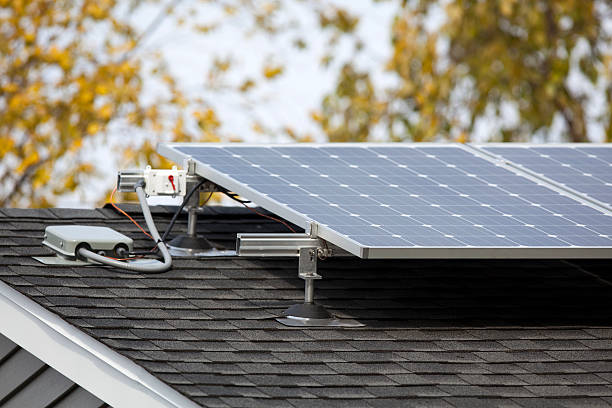
Los paneles policristalinos consisten en múltiples fragmentos de silicio fundidos, dando como resultado una apariencia distintiva moteada de azul. Como consecuencia, El proceso de fabricación es más sencillo y significativamente más económico que la producción monocristalina.. Si bien la eficiencia es ligeramente menor (15-17%), ellos proporcionan excelente “valor por vatio” para grandes instalaciones. Por otro lado, La tecnología de película delgada utiliza capas de material fotovoltaico sobre sustratos flexibles.. Además, Los paneles de película delgada ofrecen un rendimiento superior en entornos con poca luz o mucho calor.. Por lo tanto, A menudo son la opción preferida para regiones con frecuentes nubosidades o superficies de montaje no estándar..
-
policristalino: Lo mejor para proyectos a gran escala con amplio espacio y un presupuesto estricto.
-
Película delgada: Ideal para aplicaciones portátiles o áreas con calor extremo y poca luz solar..
-
Durabilidad: Ambos tipos ofrecen un servicio confiable., aunque generalmente requieren más espacio que los paneles mono.
Matriz de comparación técnica
| Característica | monocristalino | policristalino | Película delgada |
| Tasa de eficiencia | 18% – 22% | 15% – 17% | 10% – 13% |
| Espacio requerido | Muy bajo | Moderado | Alto |
| Decaimiento del primer año | < 2% | ~ 3% | Variable |
| Mejor ambiente | Techos residenciales | Montajes en terreno abierto | Luz débil / Alto calor |
Como consecuencia, el “mejor” El panel depende completamente de las limitaciones específicas de su propiedad.. Además, moderno kits solares residenciales conectados a la red ahora integra inversores avanzados para optimizar la salida de cualquier tipo de panel. Por lo tanto, usted puede construir un sistema confiable que coincida con sus objetivos financieros y sus condiciones ambientales.
Conclusión: Impulsando su futuro con certeza
Seleccionar el hardware solar adecuado garantiza décadas de libertad, energía renovable para tu familia.
Deja de adivinar qué tecnología solar dará mejores resultados a tu hogar. En cambio, adoptar el desempeño comprobado de profesionales kits solares residenciales conectados a la red adaptado a sus necesidades energéticas. Como consecuencia, Reducirá su huella de carbono y al mismo tiempo reducirá drásticamente sus facturas mensuales de servicios públicos.. Experimente la libertad de la independencia energética con un sistema diseñado para lograr la máxima eficiencia. Comience su viaje hacia una vida más brillante, Un futuro más verde con la elección fotovoltaica adecuada hoy. Su hogar merece un sistema energético que ofrezca el máximo rendimiento todos los días..

Añadir comentario