

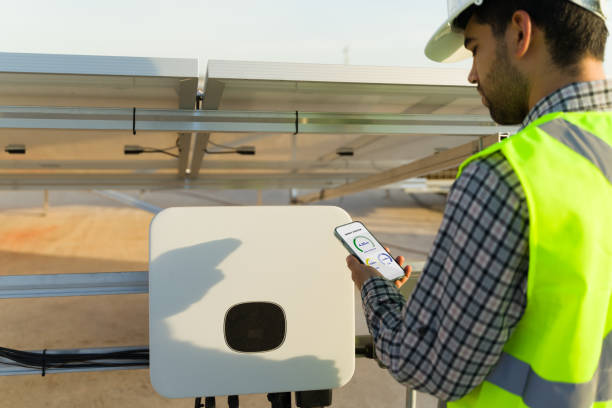
Когда мы проходим 2026, Глобальный переход к энергетической независимости сделал бытовые и мобильные солнечные системы более популярными, чем когда-либо.. Однако, если вы хотите приобрести полный комплект инвертора солнечной панели, вы быстро столкнетесь с самым запутанным решением в области возобновляемых источников энергии: выбор правильного инвертора.
Инвертор – это “мозг” вашей солнечной установки — она преобразует необработанный постоянный ток (округ Колумбия) из ваших панелей в полезный переменный ток (переменного тока) для вашей техники. Выбор неправильного типа может привести к тому, что система либо перестанет обеспечивать электроэнергией ваш дом во время отключения электроэнергии, либо потратит тысячи долларов на ненужные компоненты.. Этот всеобъемлющий 2026 Руководство по выбору размеров раскрывает технические различия между гибридными, Автономный, и инверторы струн, используя простое дерево решений из трех вопросов, которое поможет вам достичь конкретных энергетических целей..
Дерево решений по солнечной энергии из трех вопросов
Чтобы избавиться от маркетингового шума, задайте себе эти три основополагающих вопроса относительно вашей собственности, подключение к сети, и требования к хранению энергии.
Вопрос 1: Есть ли у вас надежное подключение к местной коммунальной сети??
-
ДА: Вам нужен инвертор, который может синхронизировать свой выход переменного тока с энергоснабжающей компанией.. Это сужает ваш выбор до Струнный инвертор или Гибридный инвертор. Эта установка позволяет вам работать от солнечной энергии в течение дня и беспрепятственно получать электроэнергию от сети ночью..
-
НЕТ: (Удаленные каюты, наземные автофургоны, или изолированные телекоммуникационные площадки). Вам обязательно потребуется Автономный инвертор. Эти устройства действуют как собственная мини-сеть., использование внутренних батарейных блоков для создания независимой энергетической экосистемы 120 В/240 В..
Вопрос 2: Вам нужно резервное питание, когда энергосистема выйдет из строя??
-
НЕТ: Если ваша цель — строго снизить ежемесячные счета за электроэнергию и ваша местная сеть стабильна, стандарт Струнный инвертор это самый экономичный инструмент. Однако, быть в курсе: стандартные сетевые инверторы автоматически отключаются во время отключения электроэнергии, чтобы предотвратить обратное питание линий в целях безопасности работников.
-
ДА: Если вы хотите, чтобы ваш дом оставался освещенным, когда в округе наступает темнота, вы должны соединить свою систему с аккумулятором. А Гибридный инвертор это лучший выбор здесь, управление входами с ваших панелей, ваш аккумуляторный блок, и сетка одновременно.
Вопрос 3: Ваше место установки страдает от затенения или сложных углов крыши??
-
НЕТ: Если ваша крыша обращена в одном направлении и не имеет препятствий в виде деревьев или дымохода., централизованный струнный или гибридный инвертор будет работать с максимальной эффективностью.
-
ДА: Если тени пересекают ваши панели в течение дня, одно узкое место может вывести из строя всю традиционную струну. В этом сценарии, интеграция Микроинверторы в твой комплект инвертора солнечной панели гарантирует, что каждая панель работает независимо, предотвращение искажения выходных данных всего массива локализованной тенью.
Глубокое погружение: Сравнение основных технологий
[Струнный инвертор] [Гибридный инвертор] [Автономный инвертор]
Панели ──> Инвертор ──> Сетчатые панели ──> Инвертор ──> Сетчатые панели ──> Инвертор ──> Батареи
│ │
└──> Батарейки └──> Бытовая техника
1. Струнные инверторы: Надежная бюджетная рабочая лошадка
Струнный инвертор действует как одиночный, централизованный мозг для всей вашей крыши. Несколько панелей соединены последовательно. “нить,” подача электроэнергии постоянного тока высокого напряжения в инверторный блок, установленный рядом с вашей электрической панелью.
-
Лучшее использование: Большой, беспрепятственные крыши жилых домов или коммерческих объектов, ориентированные исключительно на максимизацию рентабельности инвестиций в чистый учет.
-
Ограничение: Нулевое управление встроенной батареей и нулевая защита во время отключений электроэнергии.
2. Гибридные инверторы: Интеллектуальный универсальный концентратор
Гибридная система является наиболее быстрорастущим сектором в мире. 2026. Он сочетает в себе функциональность традиционного сетевого инвертора со встроенным контроллером заряда аккумулятора.. Он динамически переключается между солнечной энергией., резерв батареи, и мощность сети в зависимости от тарифов на коммунальные услуги и погодных условий.
-
Лучшее использование: Современные умные дома стремятся достичь энергетической независимости, обойти пиковые тарифы на коммунальные услуги в период использования, и поддерживать аварийное резервное питание.
-
Ограничение: Более высокая первоначальная стоимость оборудования по сравнению со стандартными конфигурациями колонны..
3. Автономные инверторы: Полный энергетический суверенитет
Автономные инверторы не ищут сигнал сети; они не могут экспортировать избыточную электроэнергию обратно в коммунальную компанию.. Вместо, они питаются непосредственно от мощного аккумуляторного блока для питания вашей бытовой техники., полагаясь на солнечные панели или резервный топливный генератор для пополнения ячеек.
-
Лучшее использование: Мобильные приложения (автофургоны, лодки), сельские усадьбы, и сельскохозяйственные водонасосные станции.
-
Ограничение: Если у вас разряжены батарейки и не светит солнце, ваше питание отключается до тех пор, пока система не сможет перезарядиться.
2026 Матрица определения размера закупок
| Атрибут инвертора | Традиционный струнный инвертор | Усовершенствованный гибридный инвертор | Специальный автономный инвертор |
| Взаимодействие с сеткой | Привязки к сети (Возможность экспорта) | Привязки к сети & с батарейным питанием | Полностью изолированный (Нет экспорта) |
| Совместимость батарей | Нет (Требуется модернизация муфты переменного тока.) | Да (Встроенная технология Plug-and-Play) | Да (Обязателен к эксплуатации) |
| Защита от отключения электроэнергии | Нет (Выключается в целях безопасности) | Да (Мгновенное резервное копирование) | Да (Постоянный независимый контур) |
| Идеально 2026 Вариант использования | Недорогие городские дома с сетевым подключением | Экологичные городские и пригородные умные дома | Удаленные охотничьи домики, яхты, и автофургоны |
Заключение: Выберите для своего сценария, Не тренд
Идеальная солнечная установка определяется условиями вашего региона и доступом к коммунальным услугам..
Прекратите покупать крупногабаритное оборудование, которое не соответствует планировке вашего физического объекта.. Если вы строите святилище вдали от цивилизации, выберите внесетевую планировку. Если вы живете в пригороде, где периодически случаются ливневые отключения электроэнергии, настроить комплект инвертора солнечной панели сосредоточено на высокоэффективной гибридной модели. Откройте для себя обширный ассортимент новейших гибридных инверторов Huatao и интегрированных решений для хранения аккумуляторов уже сегодня, чтобы обеспечить безопасность системы, которая работает именно тогда, когда, где, и как тебе это нужно.

Добавить комментарий