

Protecting your investment from the unpredictable power of nature is a fundamental part of solar engineering. A single lightning strike or a sudden power surge can permanently damage sensitive electronics like inverters and battery modules. Consequently, homeowners must prioritize a robust safety infrastructure to ensure long-term reliability. A professional residential solar PV system requires a two-pronged defense: high-quality surge protection and a certified grounding network. This guide explains the technical standards for safeguarding your green energy assets against electrical threats.
Dual-Side Defense: The Role of Surge Protective Devices (SPD)
Lightning does not need to strike your roof directly to cause catastrophic damage. Nearby strikes can create electromagnetic induction, sending massive voltage spikes through your wiring. Consequently, a secure residential solar PV system utilizes specialized Surge Protective Devices (SPD) on both the DC and AC sides.
-
The DC Side: You must install a Type 2 SPD between the solar arrays and the inverter. This device absorbs high-voltage surges coming from the panels before they reach the inverter’s internal circuits.
-
The AC Side: Standard surge arresters are required in the distribution box to protect the system from grid-side fluctuations.
Technical Note: Using a Type 2 SPD ensures that the system handles common atmospheric surges effectively. Consequently, your inverter remains isolated from the destructive energy of indirect lightning hits.
The Critical Connection: Grounding and Resistance Standards
Grounding provides a safe, low-resistance path for excess electricity to exit the system and enter the earth. Without proper grounding, static electricity or leakage current could cause electrical fires or pose a shock hazard to residents. Furthermore, every metal component in a residential solar PV system must be bonded together. This includes the aluminum mounting racks, the inverter’s metal casing, and the AC distribution box.
To ensure absolute safety, the system must meet the following electrical standards:
-
Continuous Bonding: All module frames must connect to the grounding wire using specialized grounding clips.
-
The 4Ω Rule: The total grounding resistance of the entire system must be less than 4Ω (4 Ohms).
Consequently, a lower resistance ensures that the earth can absorb a surge instantly without the voltage “backing up” into your home appliances. Therefore, professional installers always use a ground resistance tester to verify the site’s conductivity before commissioning.
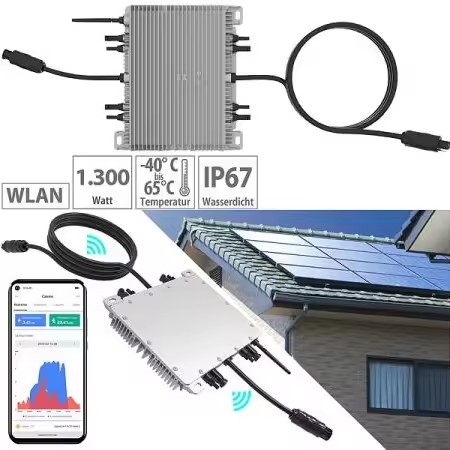
Safety Comparison: Protected vs. Unprotected Systems
| Security Feature | Unprotected Solar Setup | Professional Residential Solar PV System |
| Inverter Safety | High risk of circuit burnout | High (Protected by DC/AC SPDs) |
| Lightning Impact | Potential fire or component loss | Energy safely diverted to Earth |
| Grounding Resistance | Often unknown or high (>10Ω) | Certified Low Resistance (<4Ω) |
| System Longevity | Vulnerable to power “noise.” | Stable 25-year performance |
Conclusion: Building a Foundation of Electrical Safety
Energy independence is only valuable if your system is built to survive the elements.
Stop leaving your expensive technology vulnerable to the elements. Instead, embrace the rigorous safety standards of professional residential solar PV systems with integrated lightning and grounding protection. Consequently, you will enjoy consistent power and total peace of mind regardless of the storm clouds outside. Experience the security of a masterfully engineered solar installation today. Your home and your family deserve a system that is as safe as it is sustainable.
Add comment