

Kommerzielle Projektmanager, Agraringenieure, und abgelegene Infrastrukturentwickler suchen häufig nach unabhängigen Stromversorgungssystemen, um den Betrieb in Gebieten ohne Zugang zum Versorgungsnetz voranzutreiben. Während Dachinstallationen in Wohngebäuden die populäre Solardiskussion dominieren, Industriequalität netzunabhängige Solarenergiesysteme stellen das wesentliche Energierückgrat für abgelegene kommerzielle Unternehmungen bereit. Folglich, Kommerzielle Beschaffungsbeauftragte stellen Energieberatern häufig eine wichtige betriebliche Frage: “Über netzunabhängige Heimeinrichtungen und Wochenendhütten hinaus, Wo können Unternehmen kommerzielle netzunabhängige Solarenergiesysteme einsetzen, um teure Treibstoffkosten für Dieselgeneratoren zu vermeiden und eine unterbrechungsfreie Stromversorgung sicherzustellen??”
Die ausschließliche Verwendung herkömmlicher Dieselgeneratoren für den netzunabhängigen kommerziellen Betrieb führt zu einer Logistik für den Schweröltransport, störende Lärmbelästigung, hohe CO2-Emissionen, und unvorhersehbare Betriebskosten. Umgekehrt, bereitstellen Hybride netzunabhängige Solarenergiesysteme gepaart mit Batteriespeicher sorgt für Sauberkeit, ruhig, und äußerst zuverlässige Stromversorgung für kritische netzunabhängige Infrastruktur. Dieser umfassende Leitfaden für kommerzielle Energie untersucht die drei größten B2B-Off-Grid-Anwendungssektoren, unterstreicht die finanziellen Vorteile mobiler Solaranhänger für Baustellen, und skizziert wichtige technische Bewertungskriterien für gewerbliche Käufer.
1. Drei wichtige kommerzielle Off-Grid-Anwendungssektoren
Kommerziell netzunabhängige Solarenergiesysteme Bereitstellung zuverlässiger Primärenergie in drei wichtigen Industriesektoren, in denen sich die Verlängerung von Versorgungsleitungen als kostspielig erweist.
Netzunabhängige Solarstromsysteme bieten zuverlässige Energielösungen für abgelegene und temporäre Anwendungen. Diese Systeme unterstützen verschiedene Branchen, in denen herkömmliche Netzverbindungen nicht verfügbar oder unpraktisch sind.
Kommerzielle netzunabhängige Stromversorgungssystemanwendungen
A. Bau- und temporäre Baustellen
Netzunabhängige Stromversorgungslösungen helfen Bauteams, an abgelegenen Standorten effizient zu arbeiten. Zu den gängigen Anwendungen gehören::
- Mobile Bauanhänger
- Tragbare Elektrowerkzeuge
- Temporäre Beleuchtungssysteme
- Ferngesteuerte CCTV-Überwachungsausrüstung
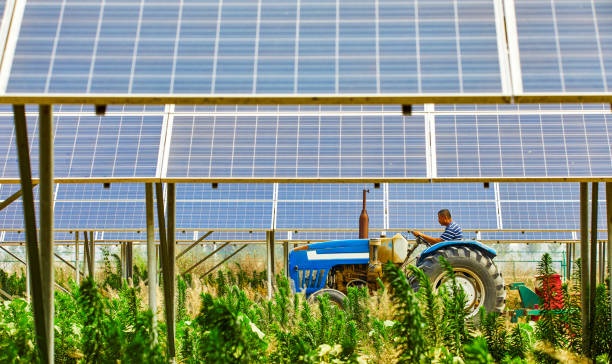
B. Agrar- und Wassermanagement
Solarbetriebene netzunabhängige Systeme unterstützen moderne landwirtschaftliche Betriebe und abgelegene landwirtschaftliche Anlagen. Zu den typischen Anwendungen gehören::
- Solarbewässerungspumpen
- Fernüberwachungssysteme für Nutztiere
- Stromversorgung für landwirtschaftliche Geräte
- Lösungen für das Wassermanagement im ländlichen Raum
C. Telekommunikationsinfrastruktur
Zuverlässige netzunabhängige Energie trägt zur Aufrechterhaltung von Kommunikationsnetzen in abgelegenen Gebieten bei. Zu den wichtigsten Anwendungen gehören:
- Entlegene Mobilfunkmasten
- Satelliten-Relaisstationen
- Drahtlose Kommunikationsausrüstung
- Notstromversorgungssysteme für die Telekommunikation
Durch die Kombination von Solarenergie, Batteriespeicher, und intelligentes Energiemanagement, Off-Grid-Systeme liefern stabilen Strom für kritische Vorgänge. daher, Sie helfen Unternehmen, ihre Kraftstoffabhängigkeit zu verringern, geringere Betriebskosten, und sorgen Sie für einen zuverlässigen Stromzugang in abgelegenen Umgebungen.
Baustellen und temporäre Infrastruktur
Bauleiter arbeiten häufig in rauen Baustellenumgebungen ohne Anschlüsse an das öffentliche Stromnetz. Bereitstellen eines Mobiltelefons Solargenerator auf der Baustelle– wie zum Beispiel ein 15-kVA-Solaranhänger, der mit faltbaren PV-Modulen ausgestattet ist, Lithium-Batteriebänke, und ein integrierter Biodiesel-Backup-Generator – sorgt für kontinuierliche Stromversorgung für Überwachungskameras, Baustellen-Büroanhänger, Wasserpumpen, und Hochleistungs-Elektrowerkzeuge.
Landwirtschaftliche Bewässerung und Solarwasserpumpen
Abgelegene landwirtschaftliche Betriebe und Viehfarmen erfordern eine kontinuierliche Wasserpumpe über weitläufige Flächen ohne teure Erweiterungen des Versorgungsnetzes. Spezielle netzunabhängige Solarpumpenkonfigurationen treiben Tauchpumpen tagsüber direkt von Solaranlagen an und speichern gleichzeitig überschüssige Energie in Batteriebanken für die nächtliche Viehtränke und automatisierte Tropfbewässerungszyklen.
Ferntelekommunikation und Turminfrastruktur
Telekommunikationsanbieter verlassen sich auf entfernte Mobilfunkmasten, um die regionale Netzabdeckung aufrechtzuerhalten. Eine typische entfernte Telekommunikations-Basisstation benötigt ca 8 kWh kontinuierlicher Tagesstrom ohne Ausfalltoleranz. Hohe Zuverlässigkeit Remote-Telekommunikationsstrom Systeme kombinieren Solar-PV-Arrays, Lithiumbatterien mit langer Lebensdauer, und intelligente Laderegler sorgen für eine ununterbrochene Aufrechterhaltung 24/7 Netzwerkkonnektivität über isolierte Gebirgspässe und Wüstenregionen hinweg.
2. Baustellenwert: Solargeneratoren vs. Dieselgeneratoren
Die Bewertung mobiler Solargeneratoren im Vergleich zu herkömmlicher Dieselausrüstung zeigt erhebliche betriebliche und finanzielle Vorteile für Standortmanager:
Eliminierung von Kraftstofflieferketten und Transportlogistik
Der Transport von Dieselkraftstoff in entlegene Baugebiete kostet wertvolle Zeit und Betriebskapital. Solargeneratoren nutzen kostenlose Tageslichtenergie, drastische Reduzierung der Dieselverbrennungsraten und Schutz der Standortbudgets vor volatilen Preisen für fossile Brennstoffe.
Geräuschreduzierung und keine Abgasemissionen
Durch den ständigen Betrieb von Dieselgeneratoren entsteht eine starke Lärmbelästigung, die gegen die städtischen Nachtarbeitsvorschriften verstößt. Solarenergieanlagen arbeiten geräuschlos, So können Bautrupps die Sicherheitsbeleuchtung und die Baustellenüberwachung über Nacht aufrechterhalten, ohne dass es zu Lärmbelästigungen oder Dieselabgasemissionen kommt.
Intelligente Fernüberwachung und automatisiertes Energiemanagement
Moderne gewerbliche Solaranhänger verfügen über cloudbasierte Energiemanagementsysteme. Bauleiter überwachen den Ladezustand der Batterie, Stromverbrauchskennzahlen, und Solarertrag in Echtzeit über mobile Smartphone-Anwendungen, Ermöglicht eine proaktive Gerätewartung.
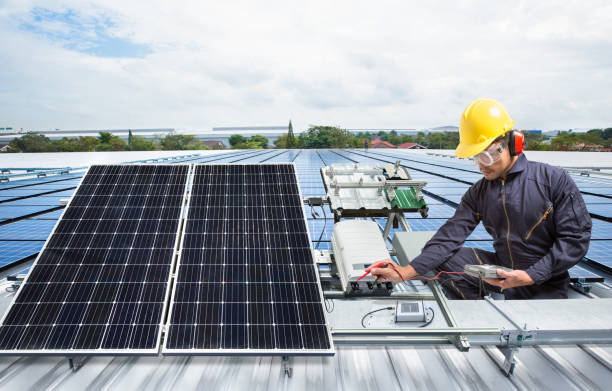
Vergleichsmatrix für kommerzielle Solaranwendungen
| Operativer Sektor | Anforderungen an die Primärstromlast | Typisches System-Setup | Entscheidender kommerzieller Vorteil |
| Konstruktion & Temporäre Websites | Mobile Werkzeuge, CCTV-Sicherheit, Büroanhänger | 15Mobiler kVA-Solargeneratoranhänger + Hybrid-Diesel-Backup | Eliminiert die Kosten für den Kraftstofftransport; ermöglicht einen geräuschlosen Betrieb über Nacht |
| Landwirtschaftliche Wasserförderung | Oberfläche & Tauchpumpen, automatisierte Ventile | Direkt angetriebenes PV-Array + MPPT-Pumpenwechselrichter + Batteriespeicher | Liefert 24/7 Bewässerung von Nutzpflanzen ohne Verlängerung der Versorgungsnetzleitungen |
| Entfernte Telekommunikationstürme | Kontinuierlich 24/7 Belastung der Basisstation (~8 kWh/Tag) | Robust netzunabhängige Solarenergiesysteme + LiFePO4-Batterien | Garantien 99.999% Netzwerkverfügbarkeit an entfernten Standorten |
3. Leitfaden zur strategischen Beschaffung für gewerbliche Käufer
Einkaufsmanager können gewerbliche Solarinvestitionen optimieren, indem sie drei praktische Auswahlregeln befolgen:
-
Berechnen Sie Spitzenlasten und Arbeitszyklen genau: Dimensionieren Sie das Wechselrichtersystem so, dass es anfängliche Motoranlaufstöße von Schwerwasserpumpen oder Industriekompressoren bewältigen kann, ohne Überlastabschaltungen auszulösen.
-
Geben Sie einen LiFePO4-Batteriespeicher mit hoher Zyklenzahl an: Wählen Sie Lithiumeisenphosphat (LiFePO4) Batteriechemie im Vergleich zu herkömmlichen Blei-Säure-Batterien. LiFePO4-Akkus liefern mehr 4,000 Tiefentladungszyklen, verträgt Schwankungen der Umgebungstemperatur, und erfordern keine routinemäßige Flüssigkeitswartung.
-
Erfordert die Autostart-Integration des Hybridgenerators: Stellen Sie sicher, dass der Solarladeregler über einen automatischen Generatorstart mit Trockenkontakt verfügt (AGS) Fähigkeiten. Diese Sicherheitsfunktion startet bei längeren, mehrtägigen Stürmen automatisch einen Notstromgenerator, Erhaltung der Batteriegesundheit und Vermeidung von Betriebsausfällen.
Abschluss: Betreiben Sie Ihre kommerziellen Fernabläufe effizient
Abschließend, zweckgebundene Bereitstellung netzunabhängige Solarenergiesysteme ermöglicht es kommerziellen Unternehmen, entfernte Baustellen mit Strom zu versorgen, landwirtschaftliche Bewässerungssysteme, und Telekommunikationsnetze zuverlässig und eliminiert gleichzeitig die teure Kraftstofflogistik.
Verlassen Sie sich nicht mehr auf Lärm, Kraftstofffressende Dieselgeneratoren, die die Betriebskosten in die Höhe treiben und an abgelegenen Baustellen zu unerwarteten Ausfallzeiten führen. Die Aufrüstung Ihrer abgelegenen Infrastruktur auf unsere leistungsstarken kommerziellen Solarplattformen garantiert eine kontinuierliche Stromversorgung, geringere Betriebskosten über die gesamte Lebensdauer, und ruhig, umweltfreundliche Leistung bei jedem Projekt. Wir konstruieren jeden Solaranhänger, Montieren Sie jede Hochleistungsbatteriebank, und testen Sie jedes Wechselrichter-Setup, um anspruchsvolle Industriestandards zu erfüllen. Kontaktieren Sie noch heute unser Team für kommerzielle Solaranwendungen, um individuelle technische Spezifikationen zu prüfen und einen detaillierten Projektvorschlag anzufordern.
Kommentar hinzufügen