

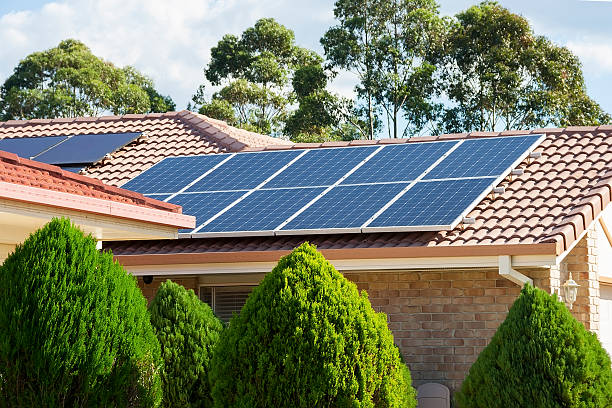
Die Effizienz Ihrer Investition hängt stark davon ab, wie Ihre Module der Sonne ausgesetzt sind. Selbst die fortschrittlichste Hardware kann eine schlechte Platzierung auf einem Dach nicht ausgleichen. Folglich, Hausbesitzer müssen die genaue Geometrie ihrer Installation berechnen, um eine schnelle Kapitalrendite sicherzustellen. Professional Solarenergiesystem Beim Aufbau kommt es darauf an, die lokale Geographie mit der mechanischen Ausrichtung in Einklang zu bringen. In diesem Leitfaden werden die entscheidenden Auswirkungen von Ausrichtung und Neigung auf Ihre Gesamtleistung untersucht. Wir helfen Ihnen, das zu finden “süßer Ort” für maximale Energieausbeute das ganze Jahr über.
Die Richtungsregel: Warum “Süden” ist König
Auf der Nordhalbkugel, Die Sonne wandert immer durch den südlichen Teil des Himmels. Folglich, Wenn Sie Ihre Module auf den wahren Süden ausrichten, können sie das direkteste Sonnenlicht über einen längeren Zeitraum hinweg einfangen. Außerdem, Eine Abweichung von dieser Richtung nach Osten oder Westen verringert die “Spitzensonnenstunden” für Ihre Zellen verfügbar. Während Ost-West-Systeme manchmal für nachmittägliche Spitzenlasten verwendet werden, Sie produzieren im Allgemeinen insgesamt weniger Jahresenergie. daher, True South bleibt der Goldstandard für Hochleistung Solarenergiesysteme.
Effizienz-Fakt: Eine Abweichung von 10 Grad vom wahren Süden kann zu einem jährlichen Energieverlust von ca 5% Zu 8%. Folglich, Eine genaue Ausrichtung des Kompasses ist während der ersten Montagephase von entscheidender Bedeutung.
Die Mathematik der Neigung: Passend zum Breitengrad
Der Winkel, in dem Ihre Paneele angebracht sind, sollte idealerweise senkrecht zu den Sonnenstrahlen sein. Als allgemeine Faustregel, Der optimale Neigungswinkel sollte ungefähr Ihrem örtlichen Breitengrad entsprechen. Folglich, wenn Sie in einer Stadt auf dem 30. Breitengrad leben, Eine Neigung von 30 Grad sorgt für die beste Balance zwischen Sommer- und Wintersonne. Außerdem, Die Anpassung der Neigung kann dazu beitragen, im Winter Schnee abzuwerfen oder an kürzeren Tagen niedrigere Sonneneinstrahlungen zu erzielen. daher, Feste Neigung Solarenergiesysteme erfordern einen kalkulierten Kompromiss, um über alle zwölf Monate den höchsten Durchschnittsertrag zu erzielen.
-
Niedrige Breiten (Äquator): Flachere Winkel eignen sich am besten, um die Sonne über dem Kopf einzufangen.
-
Hohe Breiten (Norden): Um die tiefstehende Wintersonne einzufangen, sind steilere Winkel erforderlich.
-
Saisonale Verschiebungen: Durch verstellbare Halterungen kann die Effizienz weiter gesteigert werden 10% durch halbjährliches Tuning.
Kurzübersichtstabelle zum Wirkungsgradverlust
Die folgende Tabelle zeigt den geschätzten jährlichen Energieverlust basierend auf Abweichungen vom “Perfekt” aufstellen (Süden + Breitengradneigung).
| Orientierungsabweichung | Neigungsabweichung | Geschätzter jährlicher Energieverlust |
| 0° (Wahrer Süden) | +/- 5° | < 1% (Vernachlässigbar) |
| +/- 15° (S-SO/S-SW) | +/- 10° | 3% – 5% |
| +/- 30° (SO/SW) | +/- 20° | 8% – 12% |
| +/- 90° (Ost/West) | Feste Wohnung | 15% – 25% |
Folglich, Selbst ein kleiner Fehler bei der Dachplanung kann im Laufe der Lebensdauer der Anlage zu Tausenden verlorener Kilowattstunden führen. Außerdem, Die Beschattung durch nahegelegene Bäume oder Schornsteine wird problematischer, wenn die Paneele in nicht optimalen Winkeln angebracht sind. daher, Eine professionelle Standortbesichtigung ist der wichtigste Schritt vor dem Kauf Solarenergiesysteme.
Abschluss: Design für jahrzehntelange Macht
Eine Solaranlage ist eine 25-jährige Verpflichtung zur Sauberkeit, erneuerbare Energie.
Überlassen Sie Ihre Energieeinsparungen nicht mehr dem Zufall, indem Sie die Physik der Sonne ignorieren. Stattdessen, Entscheiden Sie sich für eine professionelle Installationsstrategie, die jeden auf Ihr Dach fallenden Lichtstrahl maximiert. Folglich, dein Solarenergiesysteme wird mehr Leistung liefern, niedrigere Rechnungen, und ein kleinerer CO2-Fußabdruck. Erleben Sie noch heute das volle Potenzial hocheffizienter Solartechnik. Ihr Dach verdient ein Stromsystem, das perfekt auf den Erfolg abgestimmt ist.

Kommentar hinzufügen